Stranger awareness without fear
Teaching safety without teaching fear. The three ideas that work with young children, and the worksheet that makes the conversation concrete.
Skip "stranger danger"
It is too vague for a four-year-old, and most children who come to harm are hurt by someone they know. Talk about behaviour and safe adults instead.
Three ideas that hold
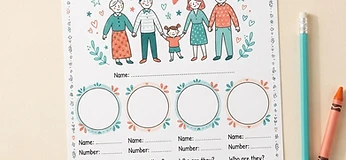
- Safe adults are named, not imagined. Fill in the My Safe Adults worksheet together and say each name out loud. A child who can name three people when something feels wrong is safer than a child who has memorised a rule.
- Grown-ups ask grown-ups. A safe grown-up never needs a child's help to find a puppy, a lost phone or a way home. Practise the sentence: "I'll get my grown-up."
- Your body belongs to you. Practise what a confident "No, thank you" sounds like, out loud, at home, where it feels silly — so it's available when it matters.
Keep the numbers where they can find them
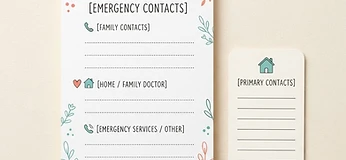
Write the family's key numbers on the Emergency Contacts Card, keep it on the fridge, and let your child see you add a new one. Familiarity is what makes it usable in a hurry.
What we never do
We publish stories and printables. We do not track anyone's location, we have no SOS or alert features, and we collect nothing about your child.